



Attachment wounds often begin in childhood, but they show up most clearly in adulthood — in our relationships, parenting, and friendships. Therapy can be a space to understand those patterns and begin creating connections that feel safe, fulfilling, and true to you.


Many of my clients don’t realize their childhoods weren’t nurturing until they’re adults. It’s often in the middle of a disagreement with a partner, or while parenting, that they notice:
“Why do I get so irritable?”
“Why do I struggle to feel loved or close to the people I care about?”
“Why do I shut down or lash out when conflict arises?”
Some have already been to therapy and understand what impacted them, but they’re left wondering: “What now? How do I move forward with this knowledge into a life and relationships that actually feel fulfilling?”


Together, we’ll explore the practices, boundaries, and values that allow you to show up more authentically with yourself and with others.
In our sessions, we might:
Clarify your values and needs. We’ll explore what truly matters to you, and how to honor those needs without apology.
Reframe boundaries as care. When we practice boundaries, we learn how to care for ourselves and our relationships at the same time. As Prentis Hemphill says, “Boundaries are the distance at which I can love you and me simultaneously.” We’ll practice what that looks like in your life.
Meet shame and people‑pleasing with compassion. Instead of criticizing yourself for these patterns, we’ll learn to understand them as survival strategies and gently create new ways forward.
Building relationships that feel nourishing. Attachment wounds can make closeness feel risky, so together, we’ll explore how to build relationships that feel steady and caring.

Clients who engage in attachment work often discover:
Clarity about needs and values and confidence in expressing them.
Healthier boundaries that protect both self and relationship.
Less shame, people‑pleasing, and more freedom to show up authentically.
Greater emotional regulation during conflict, with less reactivity.
Closer, more fulfilling relationships with partners, children, and friends.

Attachment wounds often stem from the ways we learned to survive in childhood. Those strategies may have helped us then, but they can now feel limiting, especially in relationships where closeness and trust are most important.
In therapy, we honor the resilience it took to get here while creating space for new patterns that feel more supportive and nurturing. The focus of this work is to build safety, connection, and confidence to show up authentically in your relationships.


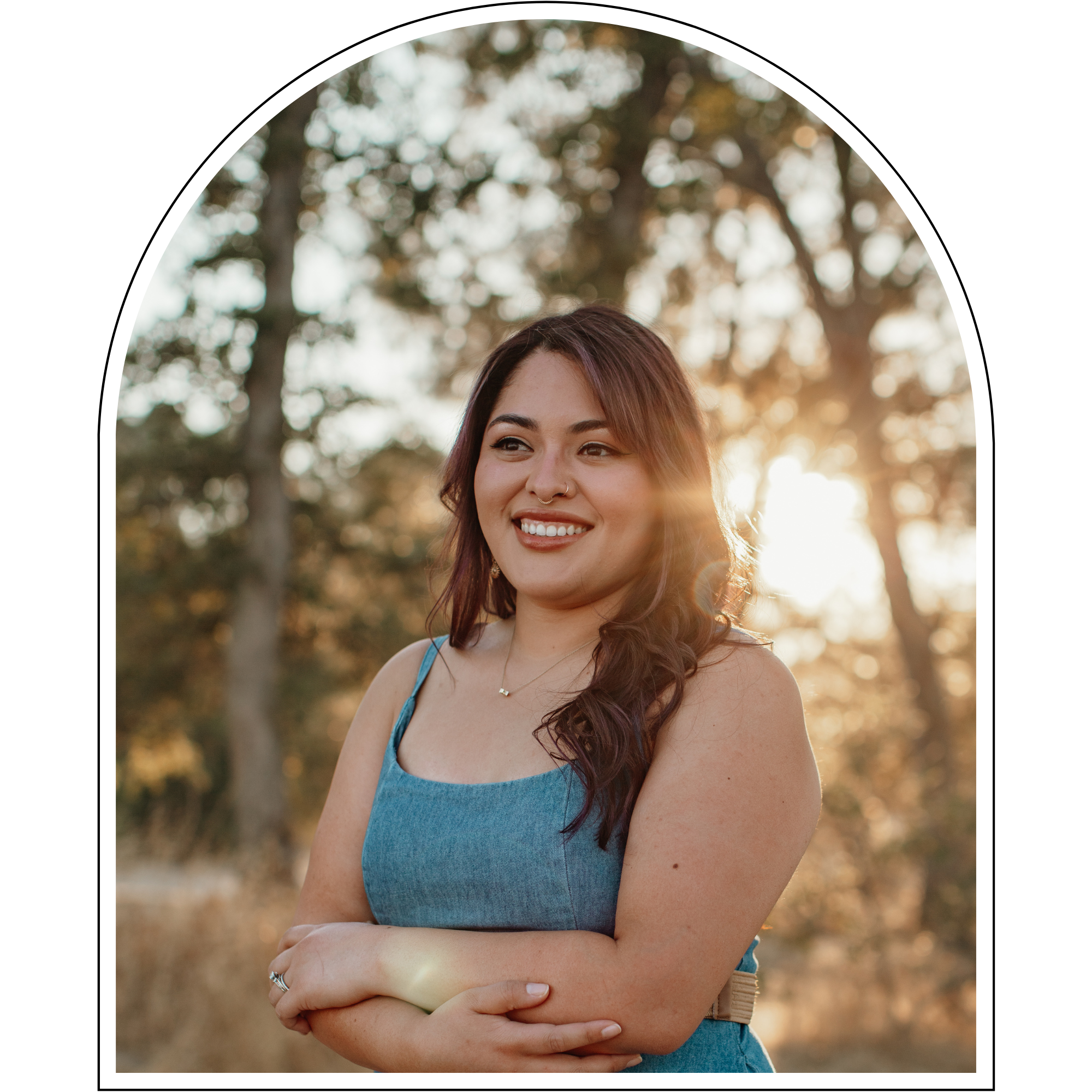
At my core, I am attachment‑focused. That means I believe that healing happens in relationships, including the therapeutic relationship we build together. In our sessions, you’ll have space to be your authentic self, perfectly imperfect, and welcomed with curiosity and care.
We’ll move at a pace that respects your nervous system. Sometimes that means slowing down, and sometimes it means leaning into new practices. Here, we begin to nurture safety in ways that make closeness feel less overwhelming. Over time, connection can shift from something that feels threatening to something you can rest into.
I integrate modalities like EMDR, Brainspotting, KAP, and IFS‑informed therapy to support this work. These approaches help us process trauma, listen to the parts of you that carry protective patterns, and build new ways of relating that feel more aligned with who you are.

We Invite You To Explore How Attachment Wounds Have Shaped Your Life…
And how healing them could open the door to a deeper connection. I look forward to connecting with you.